Průvodce zkoušením pevnosti v tahu fólie
ASTM D882
O nás
Úvod do normy ASTM D882
ASTM D882 poskytuje standardizovanou metodu pro hodnocení tahových vlastností tenkých plastových fólií. Tato norma se široce používá ke stanovení pevnosti v tahu, prodloužení a modulu pružnosti v tahu, které jsou rozhodující pro posouzení trvanlivosti, pružnosti a mechanických vlastností fólií. Dodržováním normy ASTM D882 mohou výrobci, odborníci na kontrolu kvality a výzkumní pracovníci zajistit konzistentní a spolehlivé vlastnosti fóliových materiálů používaných v obalové technice, zdravotnictví a pro průmyslové účely.
Definice zkoušky prodloužení
Pevnost filmu v tahu: Pochopení klíčových pojmů
Pevnost v tahu je maximální napětí, které materiál vydrží při natahování, než se přetrhne. Prodloužení měří schopnost fólie se natahovat, zatímco modul pružnosti v tahu udává tuhost nebo odolnost proti deformaci. Tyto parametry společně určují výkonnost fólie při mechanickém namáhání, ať už při výrobě, balení nebo manipulaci při konečném použití. Pochopení těchto vlastností je nezbytné pro výběr materiálů, které splňují specifické požadavky na výrobky, jako jsou bariérové fólie pro léčiva nebo ochranné obalové fólie pro spotřební zboží.
Postup zkoušky tahem podle normy ASTM D882
Zkouška tahem podle normy ASTM D882 zahrnuje několik klíčových kroků:
01
Příprava vzorků:
Pro zajištění přesných a reprodukovatelných výsledků je nezbytná rovnoměrnost tloušťky a průřezu.
02
Uchopení a vyrovnání:
Správné seřízení zabraňuje prokluzování a zabraňuje koncentraci napětí v oblasti úchopu.
03
Řízené tahové zatížení:
Vzorek se natahuje konstantní rychlostí a průběžně se zaznamenává závislost síly na prodloužení.
04
Analýza dat:
Ze zaznamenané síly a prodloužení se vypočítá pevnost v tahu, prodloužení při přetržení a modul pružnosti v tahu.
V závislosti na typu fólie a očekávaném prodloužení lze použít různé metody uchopení, zkušební rychlosti a rozměry vzorku, čímž se zajistí, že zkouška odráží skutečné vlastnosti materiálu.
Tahové vlastnosti filmu a jejich význam
Zkouška v tahu umožňuje zjistit několik vlastností materiálu:
- Pevnost v tahu: Udává maximální namáhání, které může fólie vydržet, než se přetrhne.
- Prodloužení při přetržení: Ukazuje, jak moc se fólie při namáhání roztáhne, což je pro flexibilní obaly rozhodující.
- Modul v tahu: Odráží tuhost, což je důležité pro aplikace vyžadující rozměrovou stabilitu.
- Energie v tahu při přetržení (TEB): Vyjadřuje houževnatost nebo celkovou energii absorbovanou do poruchy, což je užitečné pro hodnocení odolnosti proti poškození při manipulaci nebo přepravě.
Tyto vlastnosti pomáhají inženýrům optimalizovat výběr materiálu, navrhovat obalová řešení a udržovat stálou kvalitu ve všech výrobních dávkách.
Zkouška pevnosti v tahu a prodloužení
Tahové vlastnosti filmu a jejich význam
Pevnost v tahu
Udává maximální namáhání, které může fólie vydržet, než se přetrhne.
Prodloužení při přetržení
Ukazuje, jak moc se fólie při namáhání roztáhne, což je pro flexibilní obaly velmi důležité.
Modul v tahu
Odráží tuhost, což je důležité pro aplikace vyžadující rozměrovou stabilitu.
Energie v tahu při přetržení (TEB)
Vyjadřuje houževnatost nebo celkovou energii absorbovanou do poruchy, což je užitečné pro hodnocení odolnosti proti poškození při manipulaci nebo přepravě.
Typy fólií a jejich použití
Testování podle normy ASTM D882 se vztahuje na širokou škálu fólií, včetně:
Jednovrstvé fólie (polyethylen, polypropylen)
Vícevrstvé lamináty pro bariérové vlastnosti
Potahované nebo potištěné fólie pro potravinářské a zdravotnické obaly
Pružné bariérové fólie pro farmaceutické výrobky a elektroniku
Doporučené vybavení: Cell Instruments TST-01
Zkušební stroj na prodloužení
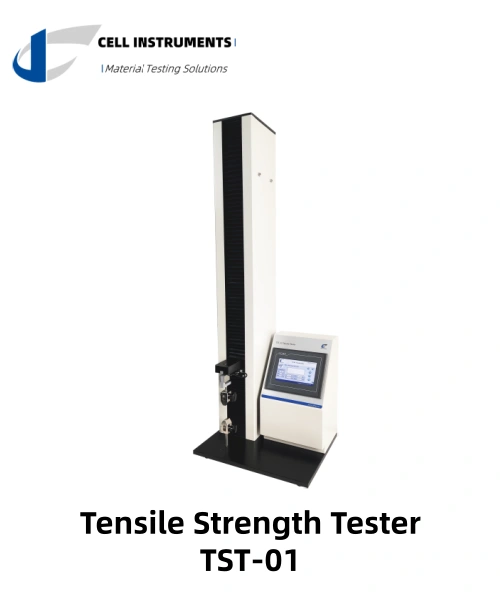
Pro přesné testování podle normy ASTM D882 Cell Instruments TST-01 Zkoušečka pevnosti v tahu nabízí výjimečnou přesnost a spolehlivost. Jeho pokročilé snímače zatížení, nastavitelné úchyty a automatizovaný systém sběru dat zajišťují přesné měření pevnosti v tahu, prodloužení a modulu pružnosti. TST-01 je navržen tak, aby vyhovoval různým tloušťkám a typům fólií a poskytoval konzistentní výsledky pro výzkum a vývoj, kontrolu kvality a testování shody.
Proč si vybrat Cell Instruments pro testování podle normy ASTM D882?
Společnost Cell Instruments má desítky let zkušeností s testováním materiálů a kombinuje technické znalosti s vysoce kvalitním přístrojovým vybavením. Pomocí přístroje TST-01 mohou laboratoře a výrobci zajistit přesná měření v tahu v souladu s normou ASTM D882. Naše celosvětová síť podpory poskytuje technické poradenství, školení a kalibrační služby, čímž zajišťuje hladký a spolehlivý chod vašeho zkušebního programu. lorem ipsum dolor sit amet, consectetur adipiscing elit. Ut elit tellus, luctus nec ullamcorper mattis, pulvinar dapibus leo.
Výhody používání Cell Instruments TST-01
- Přesnost a preciznost: Snímače zatížení s vysokým rozlišením poskytují spolehlivé údaje o pevnosti v tahu a prodloužení.
- Flexibilní možnosti testování: Nastavitelné úchyty a zkušební rychlosti umožňují testování různých fólií, od tenkých bariérových materiálů až po vícevrstvé lamináty.
- Automatizované zpracování dat: Software automaticky vypočítá tahové vlastnosti, čímž se sníží počet lidských chyb a urychlí analýza.
- Odolnost a podpora: Vytvořeno pro dlouhodobé laboratorní použití, přičemž kalibrace a údržba zajišťují trvalou spolehlivost.
 CS
CS  EN
EN  AR
AR  BG
BG  DA
DA  DE
DE  EL
EL  ES
ES  ET
ET  FI
FI  FR
FR  HU
HU  ID
ID  IT
IT  JA
JA  KO
KO  LT
LT  LV
LV  NB
NB  NL
NL  PL
PL  PT
PT  RO
RO  RU
RU  SK
SK  SL
SL  SV
SV  TR
TR  UK
UK